Expert Locksmith: Knowing When to Contact the Professionals for Your Security Requirements
A qualified locksmith is critically important in maintaining peace of mind. A large number of people tend to ignore the indicators that point to a need for specialist support. Issues like a malfunctioning locking mechanism or the impact of a break-in can undermine protection. Understanding when to get expert support is vital. As safety risks advance, so do the countermeasures. What factors should be evaluated before picking up the phone?
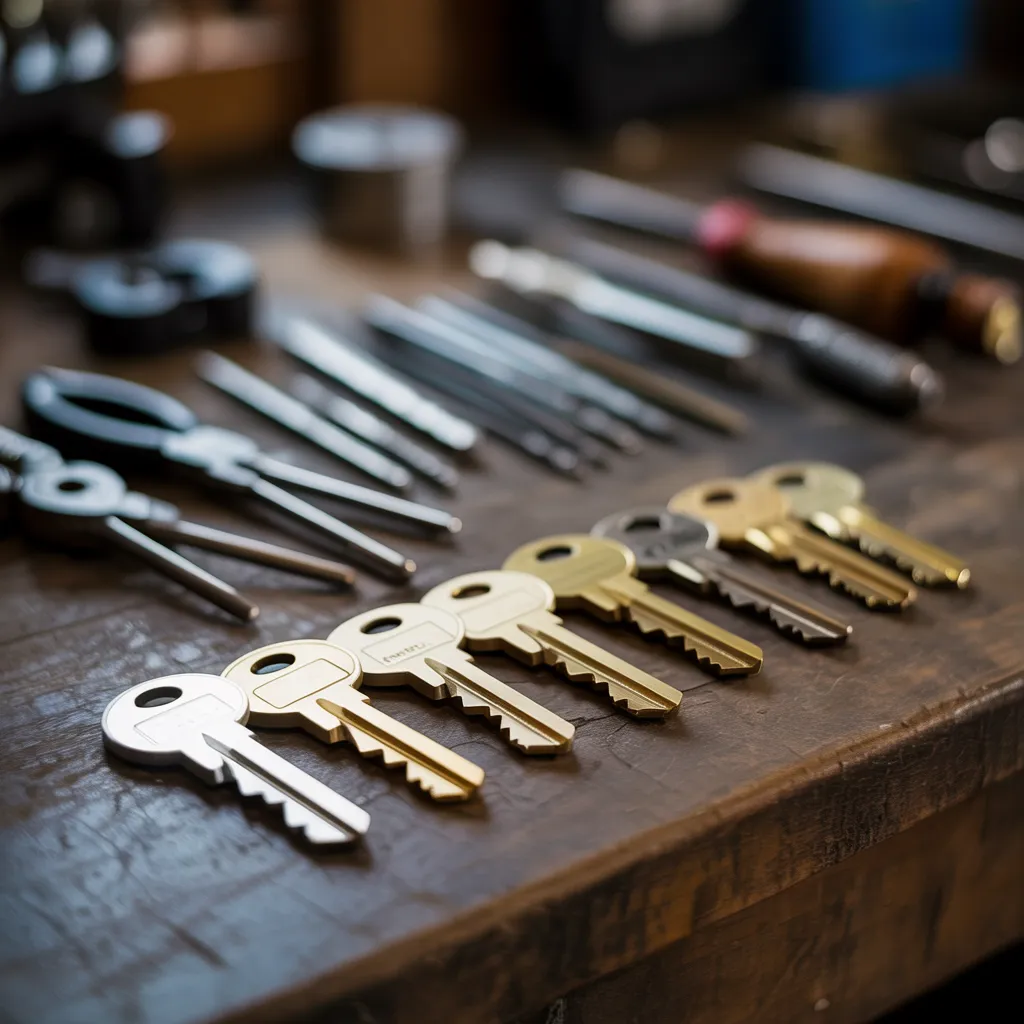
Identifying the Indicators: When to Call a Locksmith
At what point should someone think about contacting a locksmith? An individual may need to seek the help of a locksmith when facing difficulties with their locks or security systems. Signs such as a key that breaks off in the lock or a lock that becomes difficult to turn are clear indicators of potential problems. Moreover, when a person is repeatedly faced with lockout situations, it may be time to seek the services of a professional locksmith.
Furthermore, after moving into a new home, it is prudent to seek the assistance of a locksmith to swap out the locks for protection. Protective upgrades, such as fitting modern locks or surveillance systems, also warrant expert input. Finally, if a homeowner observes evidence of break-ins or interference, immediate action should be taken by enlisting a locksmith to evaluate and strengthen security protocols. Recognizing these signs guarantees that individuals can maintain their safety and peace of mind.
Why Calling a Locksmith When Locked Out Is Crucial?
Experiencing a lockout can be a frustrating and stressful situation. At times like these, reaching out to a professional locksmith is absolutely essential. A professional locksmith carries the specialized equipment and knowledge needed to resolve lockouts quickly and safely, limiting the potential for harm to your property. Trying to regain access without the assistance of a professional can result in damaged locks or doors, leading to expensive repairs.
Additionally, locksmiths are equipped to handle diverse types of locks and security systems, guaranteeing a swift resolution suited to the specific situation. Their understanding of security protocols also enhances the safety of the property after re-entry. Furthermore, professional locksmiths can provide helpful advice on improving security measures, minimizing the chance of future lockouts. Ultimately, relying on a locksmith is not just about getting back inside; it is an critical step in maintaining both the integrity of the property and the confidence of the individual facing a lockout.
How to Handle Being Locked Out?
Getting locked out can be an unsettling situation that calls for quick thinking. The most important thing is to keep a clear head and take stock of the circumstances. Checking for any open windows or alternate entrances can occasionally offer a quick resolution. Should no alternatives present themselves, it is recommended that you get in touch with a dependable family member or close friend who may be in possession of a duplicate key.
If these measures fail, turning to a professional is crucial. Contacting a locksmith is frequently the best solution for regaining entry in a safe and timely manner. People should refrain from trying to force their way in, as this can create significant damage that may require costly fixes.
In advance of the locksmith getting there, collecting the required details, like a valid ID and proof of residency, can speed up the process. At the end of the day, being locked out serves as a reminder of how crucial it is to have a contingency plan for getting into secured locations.
The Smart Reasons to Upgrade Your Locks
Following a lockout incident, many individuals recognize the critical nature of home security. Upgrading locks becomes a proactive measure to strengthen home protection. Aging lock systems often fail to offer sufficient defense against contemporary break-in methods, highlighting the need to choose stronger security solutions.
Premium security locks, for example, provide sophisticated features designed to prevent unauthorized entry. These security solutions commonly incorporate pick-resistant technology and resilient materials, providing a more reliable barrier. Additionally, advanced smart locks deliver practical convenience and remote monitoring, empowering homeowners to manage their security from virtually anywhere.
Furthermore, insurance companies may extend more favorable rates for homes equipped with upgraded security systems, presenting financial incentives for homeowners to strengthen their lock systems. Ultimately, upgrading locks not only strengthens physical security but also fosters peace of mind, making certain that residents remain safe in their own environment. This thoughtful investment is a fundamental step toward complete home security.
What You Can Expect From a Thorough Security Assessment
When homeowners seek an extensive security assessment, they can expect a thorough evaluation of their home's weaknesses and strong points. Professional locksmiths begin by evaluating entry locations such as garages, doors, and windows to pinpoint possible vulnerabilities. They examine the integrity and functionality of installed lock systems, noting any outdated or damaged mechanisms that may weaken the property's defenses.
In addition, the inspection includes examining the nearby environment, accounting for factors like community crime levels and line of sight. Locksmiths typically propose upgrades such as premium locks or alarm systems customized for the particular demands of the property. They often deliver insights into entry control systems, surveillance cameras, and exterior lighting options.
The purpose of the assessment is to create a in-depth report highlighting observations and suggesting actionable improvements, ultimately helping homeowners reach informed decisions about their security measures. This precautionary process ensures a complete framework for securing the property against the risk of emerging risks.
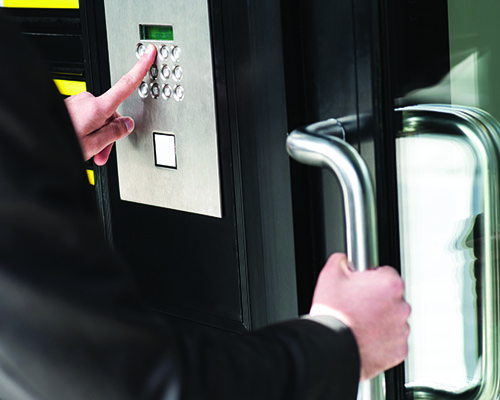
Typical DIY Errors to Avoid When Handling Locks
When dealing with lock issues, many individuals make common mistakes that can complicate the issue. Ignoring specific lock types, applying excessive lubricants, and misusing tools can lead to additional problems. Understanding these errors is vital for efficient lock care and protection.
Ignoring Lock Types
Even though many homeowners choose to address lock concerns independently, failing to identify the particular types of locks can result in expensive errors. Various locks, including deadbolts, smart locks, and mortise locks, all feature distinct mechanisms and installation specifications. Insufficient knowledge can lead to incorrect repairs or replacements, which may put security at risk. To illustrate, forcing a key into a misaligned lock risks damaging both the lock and the key, making expensive replacements necessary. Moreover, mistaking one lock type for another may produce ineffective outcomes and create further complications. To prevent these issues, homeowners should thoroughly evaluate their locks and seek the advice of a professional locksmith when unsure about their particular requirements.
Excessive Use of Lubricants
Homeowners often make the mistake of overusing lubricants on their locks, assuming that excess lubrication will keep things running smoothly. This widespread misunderstanding can result in an accumulation of too much lubricant, which collects dirt and grime, leading to locks that become difficult to operate or completely jammed. Different types of locks require specific lubricants; as an example, graphite is frequently the top choice for pin tumbler locks, while other evidence locks are better served by silicone sprays. Excessive application may produce a slippery coating that disrupts the lock's internal mechanism, making engagement more difficult. Instead of improving functionality, excessive lubrication can lead to costly repairs or the need for professional locksmith services. Understanding the right amount and type of lubricant is essential for maintaining peak lock performance.
Misusing Tools Properly
Misusing tools during lock repairs can cause frustrating complications and unnecessary damage. A large number of DIY individuals overlook how critical it is to use the appropriate tool. For instance, employing a screwdriver instead of a dedicated lock pick can strip screws or break internal mechanisms. Additionally, using excessive force can cause locks to jam or become irreparably damaged. Frequent errors involve using pliers to rotate a key or trying to force open a stuck lock without the right technique. These mistakes commonly cause further issues that necessitate professional help. In order to steer clear of these mistakes, individuals should learn about lock mechanisms and the dedicated tools intended for lock repairs. Should any uncertainty arise, reaching out to a professional locksmith can conserve time and eliminate costly blunders.
Commonly Asked Questions
How Do I Find a Reliable Locksmith Service?
To identify a reliable locksmith service, one should look up online reviews, confirm credentials, confirm insurance coverage, and request referrals. Reviewing multiple choices enables informed decisions, resulting in reliable and trustworthy service.
What Certifications Should a Professional Locksmith Have?
A qualified locksmith needs to carry credentials including Certified Locksmith (CL), the Registered Locksmith (RL) designation, and Master Locksmith (ML) from reputable industry bodies. These designations signify skill, dedication, and commitment to professional standards, ensuring reliable service for clients.
Are Locksmith Services Offered 24 Hours a Day?
Locksmith assistance is commonly accessible 24 hours a day, delivering critical support in emergency situations like being locked out or experiencing security incidents. A large number of experienced locksmiths focus on being accessible, ensuring clients can receive help whenever needed, regardless of the time.
How Much Do You Usually Pay for Locksmith Services?
Locksmith pricing generally falls from $50 to $150 for common services, such as lock rekeying and lockout assistance. That said, emergency services and specialized work may incur higher fees, often surpassing the $200 mark based on the complexity of the job.
Can a Locksmith Help With Electronic Security Systems?
Indeed, a locksmith can help with electronic security systems. They possess the knowledge to install, fix, and maintain diverse electronic security mechanisms, ensuring maximum protection and functionality for residential as well as commercial properties.